
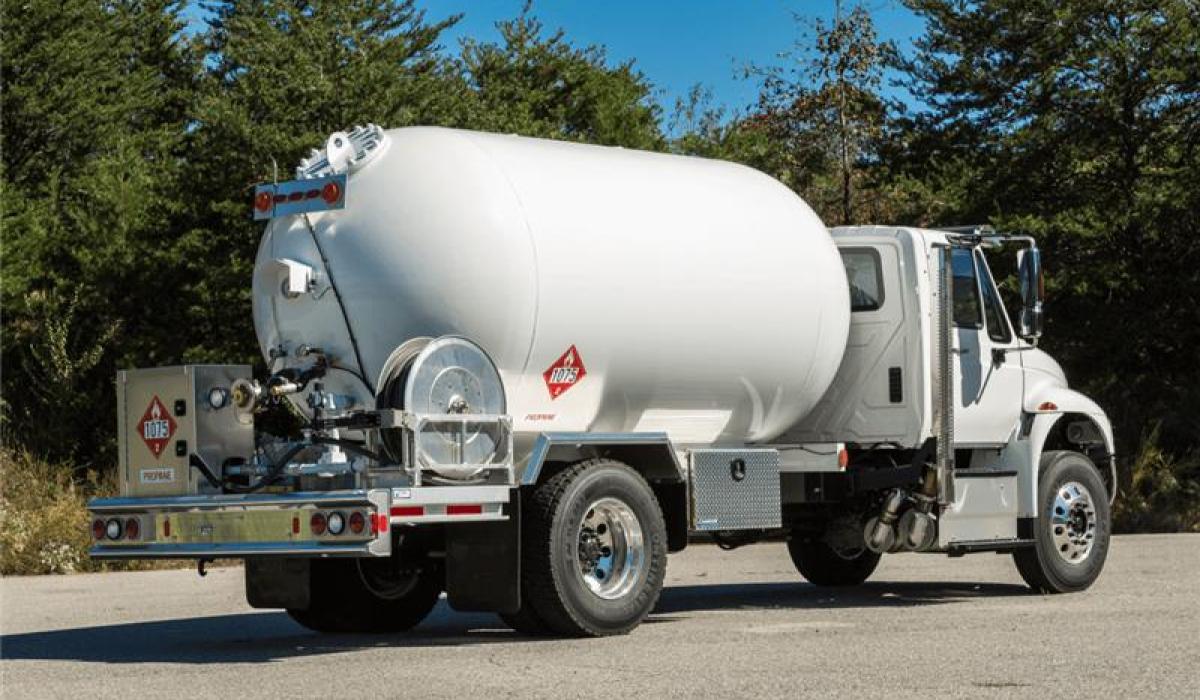
The transportation industry has benefited from moving toward a diversified and more efficient fuel solution. Propane and compressed natural gas (CNG) vehicles are gaining traction as viable alternatives to gasoline and diesel. These fuels offer environmental and economic benefits, reducing reliance on traditional fossil fuels while lowering emissions. But what exactly are propane and CNG vehicles, and how do they work? Let’s break it down.
Understanding Propane Autogas
Propane, often referred to as liquefied petroleum gas (LPG) or autogas, is a widely used alternative fuel derived from the processing of natural gas and petroleum refining. It is stored as a liquid under moderate pressure and used in vehicles through an internal combustion engine designed or converted for propane use.
Advantages of Propane Vehicles
- Cost Efficiency: Generally, propane is more affordable than conventional fuels and offers price stability.
- Availability: Propane refueling stations are accessible in many regions, making it a convenient option for fleet operators.
- Engine Performance: With a high octane rating, propane enhances engine efficiency and longevity while reducing maintenance needs.
- Lower Emissions: Propane produces fewer greenhouse gases and harmful pollutants than gasoline or diesel.
What is Compressed Natural Gas (CNG)?
CNG is composed primarily of methane and is stored at high pressure in specially designed tanks for use in vehicles. It can be used in dedicated natural gas vehicles or in bi-fuel systems that allow switching between CNG and gasoline.
Benefits of CNG Vehicles
- Fuel Savings: CNG is often more cost-effective than gasoline or diesel, offering long-term savings alongside price stability, which leads to predictable operational costs.
- Energy Independence: Since most CNG is produced domestically, it helps reduce reliance on foreign oil supply.
- Safety Features: Being lighter than air, CNG disperses quickly in the event of a leak, thereby reducing fire hazards.
- Cleaner Emissions: CNG significantly reduces carbon dioxide (CO2), nitrogen oxides (NOx), and particulate matter (PM).
Propane vs. CNG: A Comparison
Both propane and CNG offer unique advantages, making them suitable for different applications. Here’s a quick comparison:

Key Considerations When Switching
- Fueling Infrastructure: Propane stations are widely available, while CNG stations are expanding but still limited in some areas.
- Vehicle Options: Many vehicles can be converted to use propane or CNG, and some manufacturers offer factory-built models.
- Maintenance: Both fuels reduce engine wear compared to gasoline or diesel, lowering maintenance costs over time.
- Cold Weather Performance: Propane performs well in cold climates, whereas CNG may require additional heating components in extremely cold temperatures.
Industries Utilizing Propane and CNG Vehicles
Various industries and organizations have adopted propane and CNG to improve efficiency and sustainability, including:
- Fleet Services: Many commercial and government fleets rely on these fuels for cost savings and reduced emissions.
- Public Transportation: CNG and propane buses are increasingly common in transit systems.